
Pudina
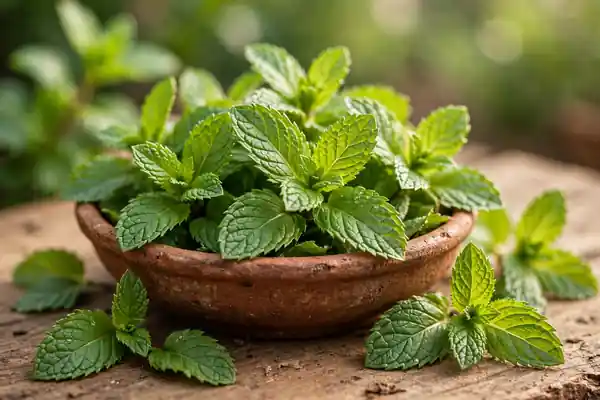
Mentha spicata L. • English: SpearmintPudina is a familiar aromatic mint used in Indian kitchens, chutneys and herbal infusions. This guide focuses on Mentha spicata, a spearmint species studied for its aromatic compounds, traditional digestive use and broader botanical properties.
Herb Pharmacopoeia Monograph
The Fresh World of Pudina
Pudina is one of the most recognizable culinary herbs in South Asian food culture. The leaves are valued for their cooling aroma, fresh taste and versatility in chutneys, drinks and everyday cooking.
For this VAIDAI guide, Pudina refers primarily to Mentha spicata L. or spearmint. Local names can sometimes be used for other Mentha species, so botanical identity matters when discussing research or concentrated products.
7 Powerful Pudina Benefits & Traditional Uses
These points describe traditional use and research interests rather than medical treatment claims.
Digestive Comfort
Pudina leaves are traditionally used after meals and in herbal preparations associated with digestive comfort and a refreshing sensation.
Research on spearmint includes digestive and flatulence-related investigations, but stronger clinical trials are still needed.
Refreshing Herbal Infusion
Fresh or dried leaves can be steeped in hot water to create a fragrant, simple infusion suitable for everyday wellness routines.
An infusion is very different from a concentrated essential oil in both composition and exposure.
Antioxidant Research
Spearmint contains flavonoids and phenolic compounds that have been investigated for antioxidant activity in laboratory and experimental models.
Laboratory activity does not automatically translate into a clinical benefit in people.
Aromatic Compounds
The characteristic mint aroma is linked to volatile compounds, with carvone being an important constituent in spearmint essential oil.
Essential-oil composition can vary with cultivar, geography, harvest stage and processing.
Culinary Wellness
Using leaves in chutneys, salads, beverages and cooked foods is a simple traditional way to include this aromatic herb in the diet.
Food-level use is not equivalent to medicinal-dose extracts.
Oral Freshness
The strong aroma of mint has made the plant popular in mouth-freshening traditions, foods, toothpaste and flavour applications.
Mint-derived aromatic molecules are widely studied in food, flavour and hygiene applications.
Botanical Diversity
Mentha contains several species, including spearmint and peppermint. Correct identification is important when applying scientific findings to a product.
Look for the botanical name rather than relying only on the common word “mint” or “Pudina.”
Pudina in Traditional Herbal Practice
Across food and traditional herbal practices, aromatic mint leaves have been valued for freshness, digestive routines and their distinctive cooling character.
Fresh leaves are commonly crushed into chutneys, added to beverages or steeped as an infusion. Dried leaves can also be used when fresh material is unavailable.
Traditional use is best understood in the context of the whole preparation. A culinary serving or mild infusion is not equivalent to a concentrated extract or essential oil.
VAIDAI separates cultural heritage from clinical evidence. Research on Mentha spicata is promising in several experimental areas, but the evidence base is not strong enough to present Pudina as a treatment for disease.
How Pudina Fits a Daily Routine
Food: use fresh leaves in chutneys, salads, drinks and everyday meals.
Infusion: steep clean fresh or dried leaves in hot water for a simple aromatic beverage.
Quality: check botanical identity, plant part and processing method.
Concentrates: essential oils and extracts require greater care than food-level use.
Pudina's Botanical Chemistry
Spearmint contains volatile oils, phenolic compounds and flavonoids. Their amounts can vary with species, growing conditions, harvest and extraction method.
Carvone
Aromatic Monoterpene
Carvone is a characteristic aromatic constituent of spearmint oil and contributes strongly to its familiar mint-like fragrance.
Flavonoids
Plant Polyphenols
Flavonoids are part of the broader phytochemical profile of Mentha spicata and are studied for antioxidant and other biological activities.
Phenolic Compounds
Secondary Metabolites
Phenolic constituents contribute to the plant's chemical diversity and are relevant to laboratory antioxidant research.
Volatile Oil
Aromatic Fraction
The essential oil contains multiple volatile molecules. Its composition is concentrated compared with a normal leaf infusion.
What Research Says About Pudina
Most available literature is based on reviews, laboratory work, animal studies or specific preparations. Human clinical evidence remains more limited.
| Research area | What has been studied | How to interpret it |
|---|---|---|
| Traditional uses & phytochemistry | Reviews describe traditional applications and diverse constituents of Mentha spicata. | Useful botanical context, but not proof of clinical efficacy. |
| Digestive comfort | Spearmint preparations and essential oil have been investigated in flatulence and related digestive contexts. | Interesting traditional and preliminary evidence; more controlled human studies are needed. |
| Antioxidant activity | Extracts and compounds have shown antioxidant effects in experimental models. | Laboratory findings should not be presented as a guaranteed human benefit. |
| Aromatic molecules | Carvone and related molecules are extensively studied for flavour, fragrance and biological properties. | Composition and dose matter, especially with essential oils. |
| Safety & toxicology | Published reviews discuss toxicological findings across different preparations and doses. | Ordinary food use differs substantially from concentrated extracts. |
Pudina Preparations & Responsible Use
Preparation changes the exposure to plant compounds. Keep everyday food and infusion use distinct from concentrated products.
Herbal Infusion
Fresh or dried leaves can be steeped in hot water and enjoyed as an aromatic beverage. Adjust strength according to taste and product instructions.
Culinary Use
Fresh leaves can be added to chutneys, salads, sauces, raita and beverages. This is the most familiar food-level use.
Concentrated Extracts
Extracts and essential oils deliver much more concentrated constituents than leaves or tea. Follow a reputable product's directions and avoid casual internal use of essential oil.
Safety & Precautions
Pudina is familiar as a food herb, but concentrated preparations deserve more caution.
General Considerations
- Use clean, correctly identified leaves for food or infusion.
- Common culinary use is different from concentrated extracts and essential oils.
- Stop use if an unusual allergic or gastrointestinal reaction occurs.
- People with ongoing medical conditions or regular medicines should ask a clinician before using concentrated products.
Concentrated Products
Do not assume that an essential oil is interchangeable with Pudina tea. Concentrated oils have a different exposure profile and require product-specific safety guidance.
Pregnancy, breastfeeding, children, complex medication regimens and significant digestive or liver conditions are situations where professional advice is especially appropriate before concentrated herbal use.
Frequently Asked Questions
Clear answers about Pudina, its uses, preparations and research.
Pudina commonly refers to culinary mint. This VAIDAI page focuses on Mentha spicata L., commonly known as spearmint, while noting that local mint names can refer to more than one Mentha species.
For the spearmint type covered here, the botanical name is Mentha spicata L. Other Mentha species are also called mint or Pudina in different regions.
Fresh or dried leaves are traditionally used in foods, chutneys and herbal infusions, and are commonly associated with digestive comfort and refreshing aroma.
Mint leaves have a long traditional association with digestive comfort. Research on Mentha spicata includes digestive and flatulence-related investigations, but stronger human clinical evidence is still needed.
Mentha spicata contains volatile aromatic compounds such as carvone and related terpenes, along with flavonoids and phenolic compounds.
Yes. Fresh or dried leaves can be steeped in hot water as a simple aromatic infusion. Concentrated essential oil is a different preparation and should not be treated like a tea.
Pudina used as a food or ordinary infusion is generally considered familiar and well tolerated. Concentrated extracts and essential oils require more caution because dose and exposure are much higher.
No. Traditional use or laboratory findings do not make Pudina a substitute for prescribed treatment, diagnosis or medical monitoring.
No. Peppermint is Mentha × piperita, while the main species covered on this page is Mentha spicata, commonly called spearmint. Both belong to the Mentha genus.
Check the botanical name, plant part, preparation type, serving information, quality testing and manufacturer details, especially for concentrated extracts or essential oils.
Related Ayurvedic Herbs
Explore other VAIDAI botanicals that pair naturally with mint in everyday herbal and infusion traditions.
Research References
Selected scientific sources used to inform this page.
1. The traditional uses, phytochemistry and pharmacology of spearmint (Mentha spicata L.): A review.
2. Medicinal Uses, Phytochemistry, Pharmacology, and Toxicology of Mentha spicata.
3. Bioactive properties of the aromatic molecules of spearmint essential oil: a review.
4. Mentha spicata L. essential oil, phytochemistry and its effectiveness in flatulence.
5. An evidence-based systematic review of spearmint by the Natural Standard Research Collaboration.