
Neem
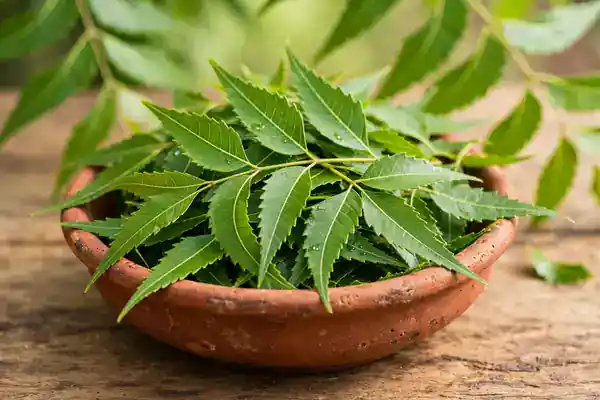
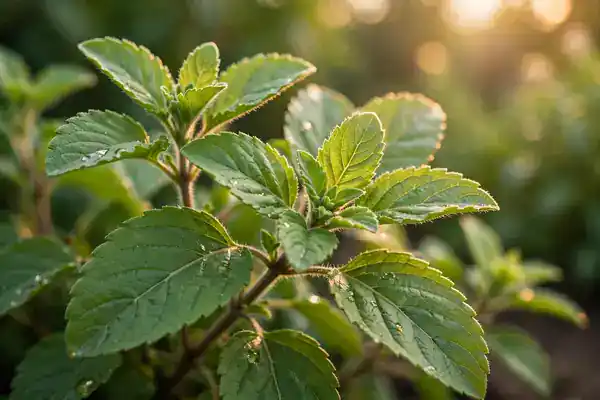
Azadirachta indica • English: Indian NeemNeem is a widely known evergreen tree with a long history in Indian traditional practice. Modern research on Azadirachta indica has examined its leaves, bark, seed oil and other preparations for oral health, metabolic markers and antimicrobial activity. Human evidence remains limited and varies substantially by plant part, preparation and study design.
Herb Pharmacopoeia Monograph
The Deep Purple World of Neem
Neem (Azadirachta indica) is a fruit-bearing tree widely known across South Asia. The ripe fruit is eaten fresh, while seeds, leaves and bark have also appeared in traditional herbal practices.
VAIDAI presents Neem with a clear distinction between a nutritious food, traditional uses and research on concentrated preparations. Although glucose-related effects are frequently discussed, current clinical evidence does not justify presenting Neem as a replacement for diabetes treatment.
Neem: Traditional Wellness & Research Interests
Neem has a long history of traditional use, while modern studies are exploring specific preparations rather than proving broad therapeutic claims.
Traditional Botanical Use
Leaves, bark and other parts of the neem tree have been used in South Asian traditional practices for generations.
Historical use should be distinguished from evidence for modern medical treatment.
Oral-Care Research
Clinical studies have investigated neem-based mouthrinses and dental preparations for plaque and gingival outcomes.
A systematic review found promising results but highlighted limitations in study quality and heterogeneity.
Metabolic Research
A randomized clinical study of a standardized aqueous leaf-and-twig extract reported changes in several glycemic markers in people already receiving metformin.
This does not establish neem as a replacement for diabetes treatment or prove that all neem preparations work similarly.
Phytochemical Interest
Neem contains limonoids and other compounds that have been widely investigated in laboratory and pharmacological research.
Preclinical findings require appropriate human clinical validation before therapeutic conclusions can be made.
Neem in Traditional Herbal Practice
Neem has a prominent place in South Asian traditional knowledge and household botanical practices.
Different parts of the neem tree have been used traditionally, including leaves, bark, twigs and seed oil. These parts are chemically different, so evidence for one preparation should not automatically be applied to another.
Traditional practices have included topical, oral-care and other botanical preparations. Modern research has particularly examined neem-based oral-care products and selected standardized extracts.
VAIDAI separates traditional heritage from clinical evidence: promising laboratory or small clinical findings should not be presented as proof of treating or curing disease.
How Neem Fits a Responsible Wellness Routine
Traditional: appreciate neem as an important botanical in Indian wellness heritage.
Oral care: neem-based mouthrinse research is an area of clinical interest.
Quality: check the botanical identity, plant part, extraction method and manufacturer.
Medical care: concentrated neem products should not replace prescribed treatment.
Neem's Botanical Chemistry
Neem contains a complex mixture of limonoids, flavonoids and other phytochemicals distributed differently across plant parts.
Azadirachtin
Limonoid of Major Research Interest
Azadirachtin is especially associated with neem seed-derived preparations and is well known for insecticidal and antifeedant activity.
Nimbolide
Bioactive Limonoid
Nimbolide is a neem-associated limonoid investigated extensively in laboratory studies for biological activity.
Flavonoids & Phenolics
Polyphenolic Constituents
Neem leaves and other tissues contain flavonoids and phenolic compounds that contribute to its broader phytochemical profile.
Common Neem Preparations
Neem products vary greatly by plant part, extraction method and concentration.
Neem leaves appear in traditional preparations. Concentrated oral use should follow a reputable product's instructions and professional guidance where appropriate.
Aqueous bark extracts have been studied clinically, but research doses should not be treated as general self-medication advice.
Neem-based mouthrinses have been studied as adjuncts to routine oral hygiene. They should not replace professional dental care.
Neem seed oil is highly concentrated. Oral ingestion is not equivalent to topical use and can be toxic, particularly in children.
Safety & Responsible Use
Neem is not a single standardized product. Safety depends on the plant part, preparation, route and dose.
- Neem Oil: Do not ingest neem seed oil. Oral poisoning has been reported, including serious toxicity in children.
- Pregnancy: Medicinal-dose neem preparations should be avoided unless specifically recommended by a qualified healthcare professional.
- Diabetes Medicines: Concentrated neem preparations may affect glucose-related measures. Discuss use with a clinician if taking glucose-lowering medicines.
- Children: Avoid concentrated oral neem products in children unless specifically directed by a qualified professional.
- Topical Use: Neem oil and extracts may irritate skin or cause allergic contact reactions in some users.
- Food vs Extract: Traditional leaf or food-level exposure is not equivalent to concentrated extracts or seed oil.
- Medical Treatment: Neem should not replace prescribed treatment or professional medical care.
Frequently Asked Questions
Clear answers about Neem, Azadirachta indica, traditional use, research and safety.
Neem is the common name for Azadirachta indica, an evergreen tree in the Meliaceae family with a long history in South Asian traditional practices.
The botanical name is Azadirachta indica A. Juss.
Leaves, bark, twigs, seeds and seed oil have all been used traditionally, but they are chemically different and should not be treated as interchangeable.
Some human research on standardized neem leaf-and-twig extract has reported changes in glycemic markers, but evidence is limited and does not support replacing diabetes treatment.
Clinical trials have investigated neem mouthrinses for plaque and gingival outcomes. A systematic review described promising findings but also highlighted study-quality limitations.
Neem contains limonoids such as azadirachtin and nimbolide, along with flavonoids and other phytochemicals.
No. Neem products should not replace prescribed medicines, dental care, glucose monitoring or professional medical advice.
No. Neem seed oil ingestion can cause toxicity, and serious poisoning has been reported, particularly in children. It should not be treated like an ordinary edible oil.
Medicinal-dose neem preparations have insufficient safety evidence and should be avoided unless specifically advised by a qualified healthcare professional.
Check the botanical name, plant part, extraction method, concentration, intended route of use, quality testing and manufacturer information.
Academic & Scientific References
- 1. PubMed: Ethnopharmacological landscape of Azadirachta indica — 2026 review.
- 2. PubMed: Effectiveness of Azadirachta indica (neem) mouthrinse in plaque and gingivitis control — systematic review.
- 3. PubMed: Randomized controlled clinical study of neem leaves and twigs in type 2 diabetes.
- 4. PubMed: Clinical study of Neem bark extract on gastric secretion and gastroduodenal ulcer.
- 5. PubMed: Safety evaluation of neem-derived preparations.
Disclaimer: This information is intended strictly for educational and informational purposes only and is not a substitute for professional medical advice, diagnosis, or treatment. Consult a qualified healthcare provider before using concentrated herbal supplements, particularly if you are pregnant, nursing, taking medication, managing diabetes, or have a pre-existing medical condition.