
Chamomile
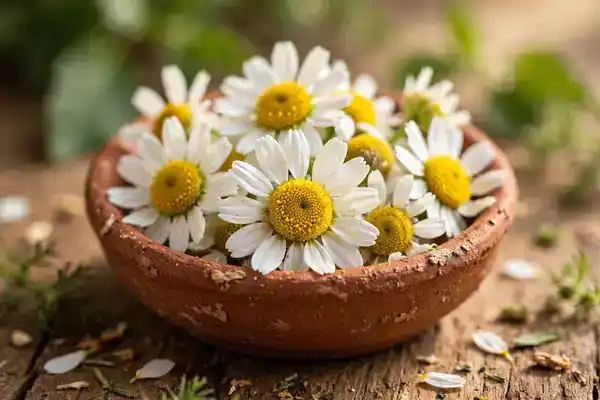
Matricaria chamomilla • English: German ChamomileThis flowering herb is commonly used in herbal infusions and aromatic wellness traditions. Human research has explored standardized Chamomile preparations in areas including anxiety and inflammation, while evidence depends on the plant species, preparation, dose and study quality.
Herb Pharmacopoeia Monograph
The Gentle World of Chamomile
Its flowers have been used for generations in herbal infusions and traditional wellness practices. German Chamomile, commonly identified as Matricaria chamomilla, is one of the best-studied species in modern research.
VAIDAI separates traditional use from clinical evidence. Human studies have investigated standardized extracts in anxiety and other wellness contexts, while recent reviews also emphasize the importance of preparation, dose and safety reporting.
Chamomile: Traditional Wellness & Research Interests
Research focuses on particular preparations rather than proving broad medical claims for every Chamomile tea or extract.
Traditional Herbal Infusion
Flower heads are commonly prepared as a mild herbal drink and used in relaxation-oriented household routines.
Traditional use is culturally important but does not by itself establish a medical treatment effect.
Stress & Anxiety Research
Clinical research has investigated standardized Chamomile extracts in people with generalized anxiety symptoms.
Some trials report symptom improvement, but larger and better-standardized studies are still needed.
Sleep & Bedtime Use
This botanical is widely associated with bedtime routines and relaxation, although controlled sleep research has produced mixed results.
A small randomized insomnia pilot did not find significant improvements across measured sleep outcomes.
Phytochemical Interest
Apigenin and other flavonoids, together with volatile constituents, contribute to the scientific interest in Chamomile flowers.
Chemical composition can vary with species, growing conditions, processing and extraction method.
Chamomile in Traditional Herbal Practice
Chamomile has a long history of use as an aromatic flower and gentle herbal preparation across European, Mediterranean and traditional wellness practices.
Dried flowers are commonly steeped in hot water to make an aromatic infusion. The flower heads are also used in topical and aromatic preparations, while concentrated extracts are studied separately.
For responsible herbal use, the preparation matters. A simple flower infusion should not be treated as equivalent to a pharmaceutical-grade extract or essential oil.
VAIDAI distinguishes traditional heritage from clinical evidence: a traditional use can guide botanical interest, but it does not automatically establish a treatment effect.
How Chamomile Fits a Daily Routine
Infusion: dried flowers can be prepared as a simple aromatic beverage.
Relaxation: many people use the floral aroma as part of a calm evening routine.
Quality: check botanical identity, plant part, processing and manufacturer information.
Medical care: concentrated products should not replace prescribed treatment.
Chamomile's Botanical Chemistry
Chamomile contains a diverse mixture of flavonoids, phenolic compounds and volatile constituents that contribute to its aroma and research profile.
Apigenin
Flavonoid
Apigenin is one of the flavonoids commonly discussed in Chamomile research and contributes to the plant's phytochemical profile.
Flavonoids
Plant Polyphenols
The plant contains several flavonoid compounds whose levels vary with species, plant part and preparation.
Volatile Constituents
Aromatic Plant Compounds
Volatile constituents contribute to the characteristic fragrance of the flowers and are especially relevant to essential-oil research.
What Research Says About Chamomile
Human evidence provides useful context, but outcomes should be interpreted according to preparation, dose and study design.
| Research Area | What Has Been Studied | Evidence Perspective |
|---|---|---|
| Anxiety | Standardized oral Chamomile extract in adults with generalized anxiety symptoms | Clinical trials reported symptom improvement, but larger trials are needed to confirm effectiveness. |
| Sleep | Chamomile extract in a small randomized insomnia pilot study | No significant between-group differences were found across the main sleep-diary outcomes. |
| Inflammation | Randomized clinical trials assessing inflammatory outcomes | A 2025 systematic review and meta-analysis found research interest, but outcomes varied across trials and settings. |
| Safety | Human trials and published case reports | A 2025 systematic review found mostly minor, self-limiting events in trials, while allergic reactions were reported in case reports. |
Chamomile Preparations & Responsible Use
How the herb is prepared matters. A traditional flower infusion is different from a concentrated extract or essential oil.
Steep dried flowers in hot water according to the product's preparation directions. Keep the preparation mild and use quality-assured material.
Concentrated extracts can differ substantially from tea. Use only according to the manufacturer's standardized serving information or professional advice.
Essential-oil and aromatic preparations are highly concentrated and should be used only as directed for their intended route.
Chamomile Safety & Precautions
- Allergic reactions are uncommon but documented; use caution if you have known sensitivity to Chamomile or related plants.
- Clinical reports include mostly mild, self-limiting gastrointestinal effects and drowsiness.
- Safety data during pregnancy and breastfeeding remain insufficient, particularly for concentrated preparations.
- Discuss concentrated herbal products with a qualified healthcare professional if you take regular medicines or manage a chronic condition.
- This botanical is not a substitute for prescribed treatment or medical monitoring.
Frequently Asked Questions
Clear answers about Matricaria chamomilla, traditional use, research and safety.
the herb is a flowering herb commonly represented in research by Matricaria chamomilla or Matricaria recutita, and is widely used in herbal preparations.
German chamomile is commonly identified as Matricaria chamomilla L.; Matricaria recutita is also widely used as a botanical synonym in scientific literature.
the herb flowers have traditionally been prepared as herbal infusions and used in relaxation-oriented, digestive and general wellness practices.
Human trials have reported reductions in anxiety symptoms with standardized the herb extracts, but results depend on the preparation, dose and study design.
the herb is widely used as a bedtime infusion, but a small randomized insomnia pilot study did not find significant improvements across sleep-diary outcomes.
the herb contains flavonoids and other phytochemicals, including apigenin and volatile constituents that contribute to its aromatic profile.
the herb is generally well tolerated in controlled human studies, although minor gastrointestinal effects and drowsiness have been reported.
Yes. Allergic reactions are uncommon but documented, including reactions reported in case reports. People with relevant plant allergies should use caution.
No. the herb should not replace prescribed medicines, professional diagnosis, medical monitoring or treatment.
Check the botanical identity, plant part, preparation method, serving information, quality testing and manufacturer details, especially for concentrated extracts.

Academic & Scientific References
- 1. PubMed: Long-term the herb treatment for generalized anxiety disorder — randomized clinical trial.
- 2. PubMed: Short-term the herb therapy for moderate to severe generalized anxiety disorder.
- 3. PubMed: Randomized placebo-controlled pilot study of the herb for chronic primary insomnia.
- 4. PubMed: 2025 systematic review and meta-analysis of the herb's anti-inflammatory effects.
- 5. PubMed: 2025 systematic review of the herb adverse events and safety.
Disclaimer: This information is intended strictly for educational and informational purposes only and is not a substitute for professional medical advice, diagnosis, or treatment. Consult a qualified healthcare provider before using concentrated herbal supplements, particularly if you are pregnant, nursing, taking medication, or have a pre-existing medical condition.