
Gurmar
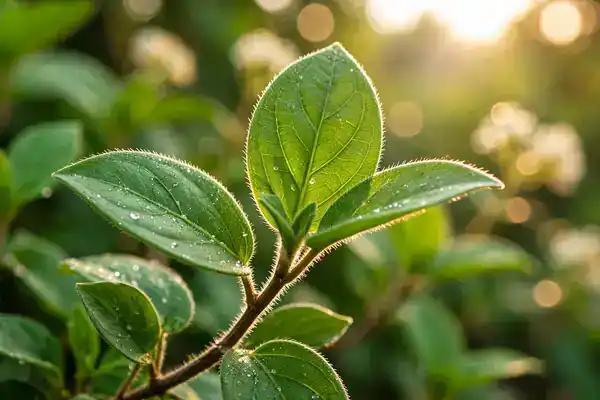
गुड़मार · Gymnema sylvestreGurmar is a traditional Ayurvedic botanical whose leaves are valued in traditional herbal practice and are especially associated with sugar balance and metabolic wellness.
Herb Pharmacopoeia Profile
The Traditional Botanical Profile of Gurmar
Gurmar (Gymnema sylvestre) is a traditional Ayurvedic botanical native to tropical regions of India and Southeast Asia.
Its leaves contain naturally occurring phytochemicals, including gymnemic acids, which have been investigated in phytochemical and pharmacological research.
In traditional wellness practice, Gurmar is particularly associated with sugar balance and metabolic wellbeing.
Gurmar Wellness Associations
Traditional uses and botanical properties associated with Gurmar in Ayurvedic herbal practice.
Sugar Balance
Gurmar is traditionally associated with maintaining healthy sugar balance and metabolic wellness.
The leaves have a long history of traditional use in herbal preparations associated with sugar balance.
Gymnemic acids and other constituents have been investigated for glucose-related biological activity.
Metabolic Wellness
Gurmar is traditionally included in herbal practices focused on metabolic wellbeing.
Traditionally valued as part of broader botanical approaches to metabolic balance.
Modern studies continue to investigate its phytochemical and metabolic effects.
Gymnemic Acids
Gurmar leaves naturally contain a group of compounds known as gymnemic acids.
Gymnemic acids are among the characteristic phytochemicals studied in Gymnema sylvestre.
These compounds have been examined in laboratory and human research.
Traditional Herbal Use
Gurmar leaves are used in traditional herbal preparations in different forms.
Leaf powder, herbal preparations and standardized botanical extracts.
Traditional use is presented separately from clinically established medical outcomes.
Phytochemical Research
Gurmar has attracted scientific interest because of its distinctive phytochemical profile.
Researchers have investigated gymnemic acids, saponins and other botanical constituents.
Botanical Wellness
Gurmar remains an important botanical in traditional herbal knowledge and contemporary phytochemical research.
Traditional use does not by itself establish treatment effectiveness for a medical condition.
Ayurvedic Wisdom & Gurmar
Gurmar has a long history of traditional use in Indian herbal practices. The leaves are especially associated with formulations concerned with sugar balance and metabolic wellness.
Traditional herbal practice should be distinguished from modern clinical evidence. The presence of a botanical tradition does not automatically establish a treatment claim.
— Traditional herbal context
Gurmar in Herbal Practice
Sugar Balance
Traditionally associated with herbal preparations intended to support balanced sugar metabolism.
Metabolic Wellness
Traditionally valued as part of broader metabolic wellness practices.
Botanical Part
The leaves are the principal part traditionally used in herbal preparations.
Traditional Forms
Leaf powder, herbal infusions and traditional formulations.
Gurmar's Botanical Chemistry
Naturally occurring compounds that have made Gymnema sylvestre an important subject of research.
Gymnemic Acids
Characteristic Triterpenoid Saponins
Gymnemic acids are among the characteristic constituents of Gurmar leaves and are central to much of the botanical research on the plant.
Triterpenoid Saponins
Important Phytochemical Group
Gurmar contains triterpenoid saponin compounds that contribute to its distinctive phytochemical profile.
Flavonoids
Plant Polyphenolic Constituents
Flavonoid compounds are among the wider groups of phytochemicals investigated in Gymnema species.
Botanical Extracts
Standardized Research Preparations
Modern research may use standardized extracts with defined concentrations of selected botanical constituents.
Modern Scientific Research
Research on Gymnema sylvestre has examined its phytochemistry, traditional applications and possible metabolic effects.
| Research Area | Investigated Subject | Research Perspective | Evidence Context |
|---|---|---|---|
| Glucose-related Research | Gymnemic acids and glucose-related pathways | Investigated in laboratory, animal and human research. | Human evidence remains context-dependent. |
| Phytochemistry | Gymnemic acids and triterpenoid saponins | Characterization of naturally occurring botanical constituents. | Established research area. |
| Metabolic Research | Glucose and metabolic parameters | Studies have investigated possible metabolic effects of Gymnema preparations. | Variable evidence depending on preparation. |
| Traditional Use | Ayurvedic and Indian herbal practice | Leaves have traditionally been used in herbal preparations. | Traditional evidence is not equivalent to clinical proof. |
Gurmar Preparations & Usage
Traditional forms of Gurmar vary by preparation. There is no single universally appropriate dose for every person or product.
Gurmar leaf powder is a traditional form of the herb. Follow the preparation's labelled instructions rather than assuming a universal dose.
Leaves may be prepared as an herbal infusion. Strength and quantity can vary considerably by traditional method and product.
Concentrated extracts can contain substantially higher amounts of active constituents and should be used according to professional or manufacturer guidance.
Traditional formulations may combine Gurmar with other botanicals. Dosage should follow the specific formulation and qualified practitioner guidance.
Gurmar Safety Considerations
Gurmar can be biologically active, particularly in concentrated preparations. Appropriate caution is important when using supplements or extracts.
- Blood Glucose: Gurmar may influence blood glucose and may interact with glucose-lowering medicines.
- Medication Use: People taking diabetes or glucose-lowering medication should consult a qualified healthcare professional.
- Pregnancy & Breastfeeding: Safety evidence for concentrated Gurmar products is limited; professional advice is recommended.
- Concentrated Extracts: Extracts may differ substantially from culinary or traditional preparations.
- Existing Conditions: People with medical conditions should seek professional guidance before using concentrated herbal products.
- Unexpected Symptoms: Stop use and seek professional advice if unexpected or concerning symptoms occur.
Published literature has also reported a case of liver injury associated with Gymnema sylvestre, supporting a cautious approach to concentrated products.
Frequently Asked Questions
Common questions about Gurmar, Gymnema sylvestre, traditional use, research and safety.
Gurmar is the common name for Gymnema sylvestre, a traditional Ayurvedic botanical whose leaves are used in herbal preparations.
The botanical name of Gurmar is Gymnema sylvestre.
Gurmar is traditionally associated with sugar balance, metabolic wellness and Ayurvedic herbal preparations.
The leaves of Gymnema sylvestre are the principal part traditionally used in herbal preparations.
Gurmar should not be presented as a cure or replacement for diabetes treatment. Research has investigated its glucose-related effects, but medical treatment should not be replaced without professional advice.
Research has investigated glucose-related effects of Gymnema preparations. Because of this potential activity, people taking glucose-lowering medicines should seek professional advice before using concentrated Gurmar products.
Not necessarily. People taking glucose-lowering medicines, pregnant or breastfeeding individuals, and people with existing medical conditions should seek professional advice before using concentrated Gurmar products.
Gymnemic acids are among the characteristic constituents of Gymnema sylvestre. The plant also contains other phytochemical groups, including triterpenoid saponins and flavonoids.
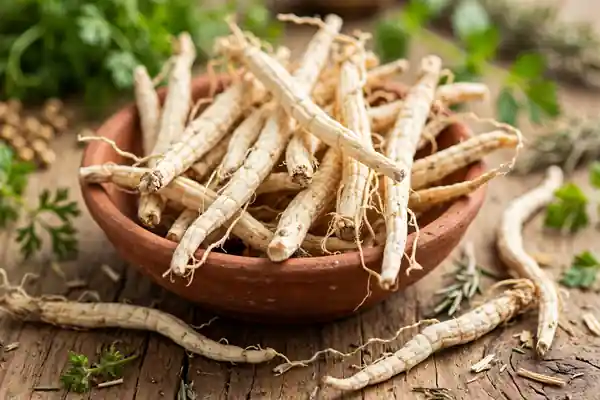
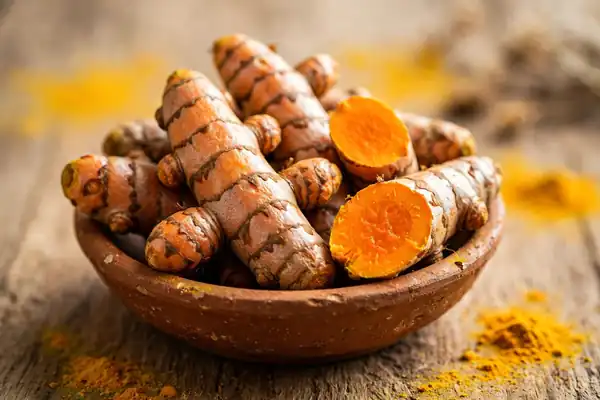
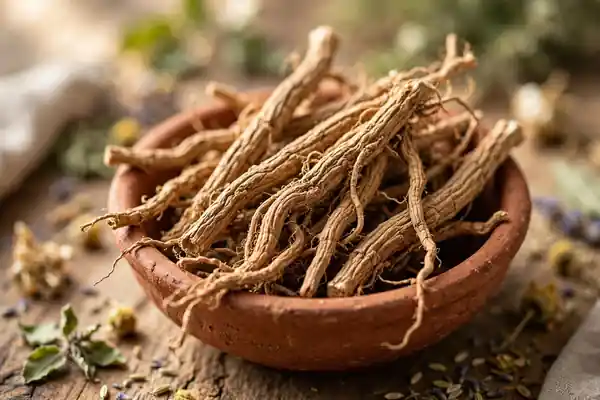
Related Ayurvedic Herbs
Explore other botanicals in the VAIDAI Herb Library.

Academic & Botanical References
- 1. PubMed literature on Gymnema sylvestre phytochemistry and pharmacological research.
- 2. Research literature investigating gymnemic acids and glucose-related activity.
- 3. Traditional Ayurvedic and Indian herbal literature relating to Gurmar.
- 4. Peer-reviewed research on botanical safety and concentrated Gymnema preparations.
- 5. PubMed: Gymnema sylvestre research literature.
- 6. VAIDAI evidence approach: traditional use, scientific research and clinically established outcomes are presented as separate categories.
Disclaimer: This information is intended strictly for educational and general wellness purposes. It is not a substitute for professional medical advice, diagnosis or treatment. Consult a qualified healthcare professional or certified Ayurvedic practitioner before using concentrated herbal supplements, particularly if you are pregnant, nursing, taking medication or have a pre-existing medical condition.